



Neuropathic-pain studies investigate responses associated with nerve injury or dysfunction. MuriPhys provides administration, behavioral testing and functional assessments for selected peripheral and central pain models.
Plan delivery, behavioral assessments and electrophysiology together, with the controls and measurements needed to interpret treatment-related changes.
Neuropathic-pain research areas
Peripheral neuropathic pain studies can consider IPa, IT, IV or other appropriate routes according to the anatomical target and compound. Plantar, von Frey and dynamic weight-bearing assessments can characterize selected responses, with electrophysiology included when appropriate.
Central neuropathic-pain studies can combine CNS delivery with thermal-sensitivity, spontaneous-behavior and other model-specific assessments. EEG or EMG can add defined brain or neuromuscular measurements.
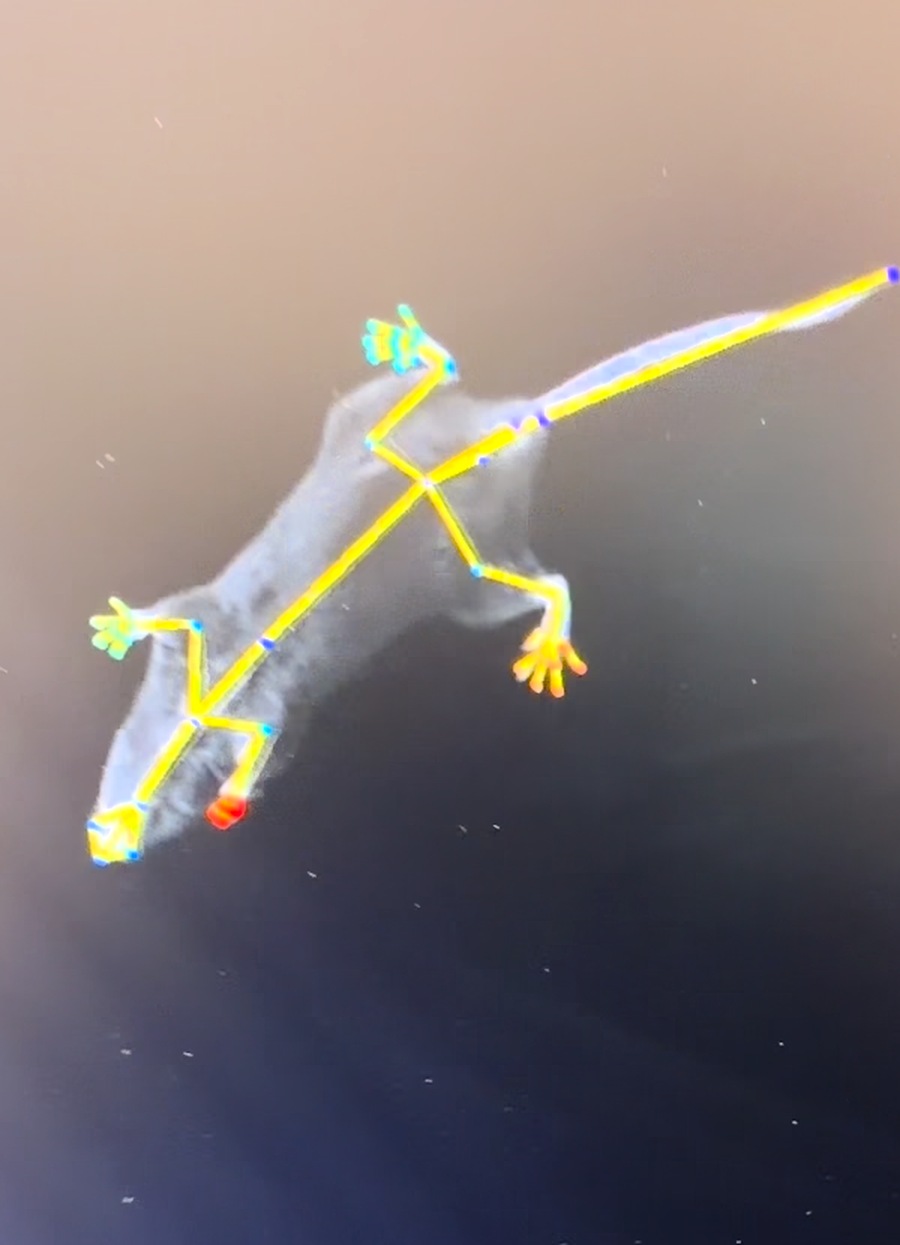
Chemotherapy-induced neuropathy studies can assess gait, cold sensitivity and other sensory or motor responses during treatment. We select administration routes and functional recordings for the model and study question.
Neuropathic-pain study planning
- Drug Delivery: The route and anatomical target are selected for the study. IPa, IT and ICV have distinct delivery locations and distribution characteristics.
- Pain Modeling: Select endpoints such as mechanical sensitivity or thermal response that address defined features of the neuropathic-pain model.
- Electrophysiological Expertise: EEG, EMG, and nerve conduction studies reveal critical biomarkers for neuropathic pain, offering valuable insights into disease mechanisms and therapeutic efficacy.
- Study planning: agree on the neuropathic-pain model, dosing, sensory and motor measurements, and analysis.