



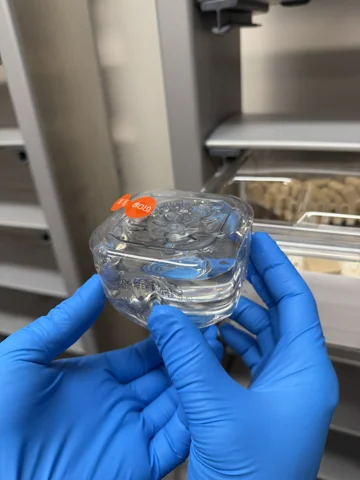
Syngeneic mouse models are preclinical tumor models in which mouse-derived cancer cells are implanted into immunocompetent, genetically identical mice (same strain). These models are particularly valuable for studying immuno-oncology therapies since they allow for intact immune system interactions, unlike patient-derived xenografts (PDX) or cell line-derived xenografts (CDX), which require immunodeficient mice. MuriPhys is well positioned to conduct syngeneic studies with expertise in murine tumor biology, precise surgical implantation techniques, and a comprehensive suite of in vivo assessments, including tumor growth kinetics, and survival studies. With our robust animal handling capabilities we offer a reliable and efficient platform for evaluating cancer immunotherapies in a biologically relevant setting.
Below is a list of available models commonly used by MuriPhys researchers:
Breast Cancer Syngeneic Models
-
4T1 (BALB/c mouse)
- [if!supportLists]Highly metastatic (spreads to lungs, liver, brain, bones).
- [if!supportLists]Used for triple-negative breast cancer (TNBC) studies.
-
[if!supportLists]Highly immunosuppressive, mimicking aggressive breast cancer.
-
EMT6 (BALB/c mouse)
- Moderately metastatic, used for radiation and chemotherapy studies.
- Moderately metastatic, used for radiation and chemotherapy studies.
- PyMT-derived models: Derived from MMTV-PyMT transgenic systems. C57BL/6 and other background-specific derivatives require confirmation for the selected line and study.
Lung Cancer Syngeneic Models
-
LLC1 (Lewis Lung Carcinoma, C57BL/6 mouse)
- Highly immunosuppressive with PD-L1 expression. Used for immunotherapy and anti-angiogenic therapy research.
-
TC-1 (C57BL/6 mouse)
- Expresses human papillomavirus (HPV) oncogenes (E6/E7).
- Used for studying HPV-driven lung and head & neck cancers.
Colorectal Cancer Syngeneic Models
- MC38 (C57BL/6 mouse)
- Highly immunogenic. commonly used for checkpoint inhibitor (anti-PD-1, anti-CTLA-4) testing.
- Responds well to combination immunotherapies.
- CT26 (BALB/c mouse)
- Moderately immunogenic. used for chemotherapy and immune combination studies.
- Often used for T cell and macrophage profiling in the tumor microenvironment.
Pancreatic Cancer Syngeneic Models
- Panc02 (C57BL/6 mouse)
- Models immunosuppressive pancreatic ductal adenocarcinoma (PDAC).
- Used to study TGF-β inhibition, macrophage reprogramming, and fibroblast targeting.
Brain Tumor Syngeneic Models
- GL261 (C57BL/6 mouse)
- Used for glioblastoma (GBM) immunotherapy studies.
- Moderately immunogenic but often modified for increased PD-L1 expression.
Prostate Cancer Syngeneic Models
- TRAMP-C1 (C57BL/6 mouse)
- Derived from Transgenic Adenocarcinoma of Mouse Prostate (TRAMP) model.
- Used for testing androgen deprivation therapy (ADT) and immunotherapy combinations.
Melanoma Syngeneic Models
- B16-F10 (C57BL/6 mouse)
- Highly metastatic – frequently used in metastatic melanoma studies.
- Resistant to checkpoint inhibitors, making it a good model for testing combination therapies.
- B16-OVA (C57BL/6 mouse)
- Expresses ovalbumin (OVA) antigen for antigen-specific T-cell therapy research.
Hematologic Malignancies Syngeneic Models
- EL4 (C57BL/6 mouse, T cell lymphoma)
- Used for studying T cell lymphomas and CD8+ T cell responses.
- A20 (BALB/c mouse, B cell lymphoma)
- Frequently used for CAR-T and antibody-based therapies (e.g., CD20-targeted therapies).
- WEHI-3 (BALB/c mouse, AML model)
- Used for acute myeloid leukemia (AML) drug screening.
Advanced Drug Administration & Serial Injections
We specialize in the following routes of administration:
Intravenous (IV), Intramuscular (IM), Subcutaneous (SC), Intrathecal (IT), Intra Peritoneal (IP), Oral Gavage (PO), Topical, Slow-infusion and Continuous Infusions – supporting accurate systemic or localized therapeutic exposure.
Serial Injections – Enabling longitudinal drug administration studies to monitor treatment effects over time.
Quality Control: Mycoplasma Testing
Cell-line quality control includes mycoplasma testing to identify contamination. The testing plan, cell identity checks and acceptance criteria are defined for the study and documented with the work.
At MuriPhys, we are dedicated to accelerating oncology drug discovery with specialized preclinical solutions. Contact us today to discuss how we can support your oncology research!
Discuss the tumor model, treatment strategy, readouts and study stage with our oncology team. We will work with you to define the methods, controls, deliverables, timing and budget.