
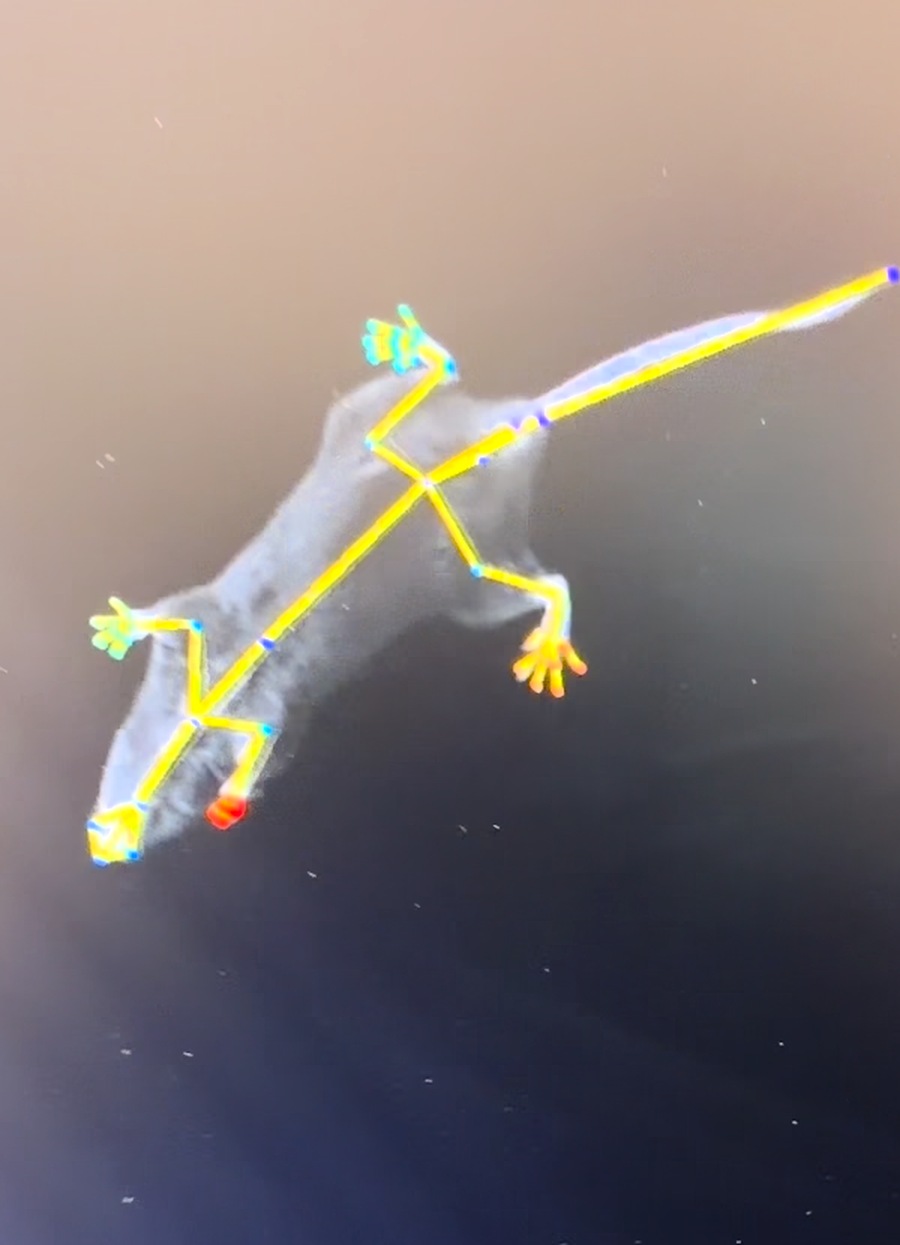



MuriPhys supports preclinical pain research through CNS and systemic delivery, behavioral assays and functional readouts. Methods are selected for the model and the type of evoked, spontaneous or functional response under study.
Pain research areas
Neuropathic-pain research can connect IPa, ICV or IT administration with plantar testing, conditioned-place-preference studies or other suitable assessments. The anatomical target, model and interpretation are specified for the study. Neuropathic Pain Read More.
Inflammatory pain studies can combine oral, intraperitoneal or subcutaneous dosing with pain-related behavioral measures. Open-field and rotarod testing can assess activity and motor function alongside the primary pain endpoints. Read More.
Visceral pain studies can use CNS or systemic delivery with measures of writhing, referred sensitivity and other model-specific responses. Functional recordings are selected according to the anatomical target and study question. Read More.
Pain study capabilities
- Drug Delivery: Connect CNS or systemic administration with the anatomical target, test article and study design.
- Behavioral Assays: Thermal sensitivity, conditioned responses and other selected assays assess defined features of the pain model.
- Electrophysiology: EEG and EMG can add brain and neuromuscular readouts to selected pain studies. Recording conditions and interpretation are defined for the study.
- Model selection: define which pain-related features the model represents and how the proposed tests will measure them.