



MuriPhys connects CNS delivery, behavioral assays and electrophysiology for research on neurodegenerative diseases. Define the model, therapeutic mechanism and endpoints so the evidence addresses a specific development question.
Research on Huntington’s disease, Parkinson’s disease, ALS and ataxia can connect delivery with selected motor, cognitive and physiological endpoints. The study plan defines the relevant features of the model and the evidence needed for the next decision.
Research areas
Huntington’s disease studies can combine intraparenchymal delivery to the striatum or cortex with rotarod, balance-beam and Y-maze assessments. EEG and EMG can add brain and neuromuscular measurements when relevant to the study. Read More.
Ataxia
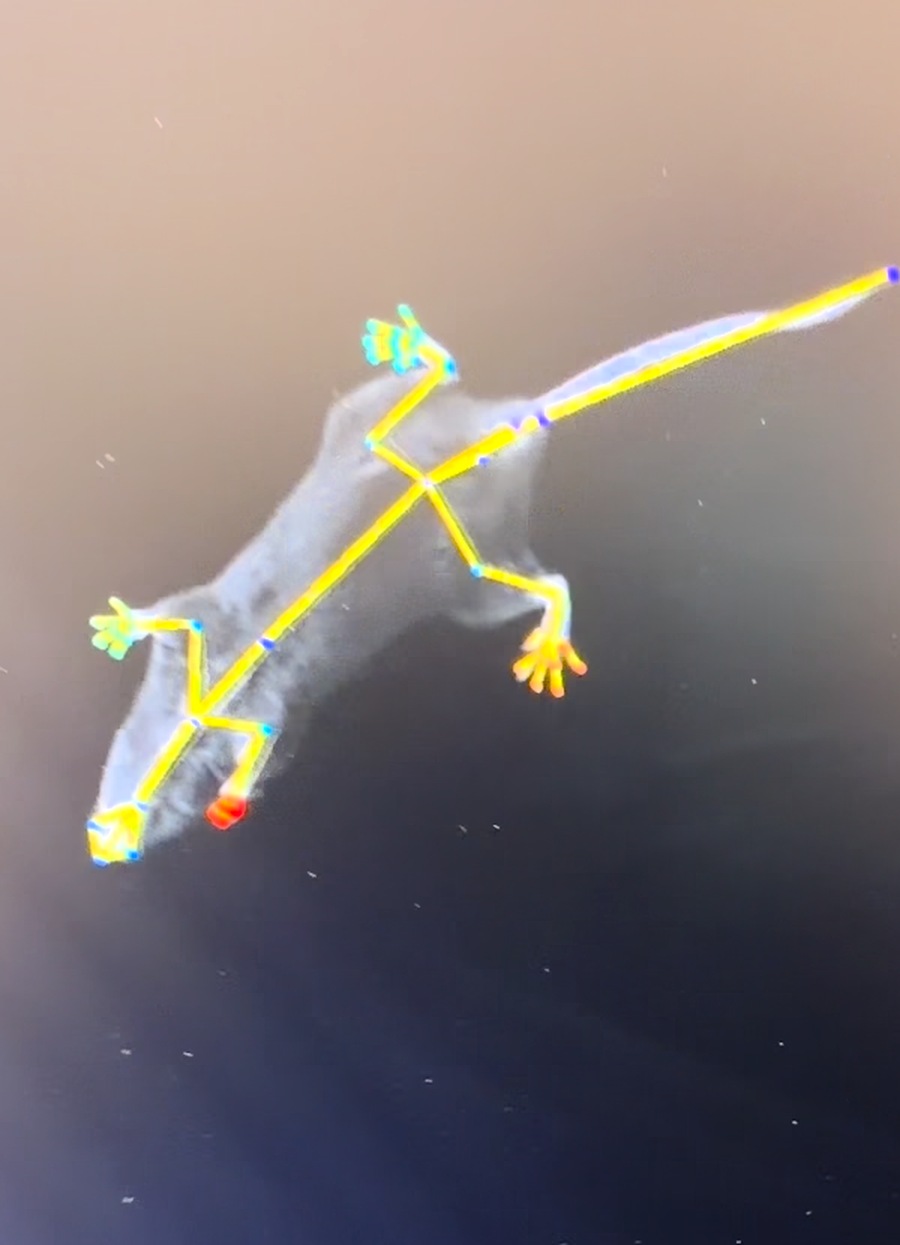
Ataxia research benefits from MuriPhys’ targeted delivery to the cerebellar cortex and deep nuclei. Our array of behavioral tests assesses gait, balance, and motor coordination, while electrophysiological recordings track cerebellar activity and disease evolution. Read More.
Parkinson’s disease research can combine intraparenchymal delivery to the substantia nigra with study-appropriate ICV or IT approaches. Behavioral assays assess selected motor features, while EEG and EMG can provide relevant brain and neuromuscular readouts. Parkinson’s Disease Read More.
ALS research can incorporate CNS delivery, including IPa and ICV approaches, alongside motor and functional assessments. Open-field testing and other model-appropriate assays can characterize activity and motor changes. OCT is an ocular imaging option when the study includes an appropriate eye-related question. Amyotrophic Lateral Sclerosis (ALS) Read More.
Dementia studies can combine CNS delivery with learning, memory and EEG assessments. The model and study design determine which cognitive and physiological changes can be measured.
Study capabilities
- CNS Delivery: Select IPa, ICV, IT or another appropriate route for the anatomical target, formulation and study objective.
- Behavioral Assays: Choose cognitive and motor assessments that measure defined features of the selected model.
- Electrophysiology: EEG and EMG provide distinct brain and neuromuscular measurements when relevant to the study.
- Study planning: agree on the model, methods, quantities and endpoints for the neurodegenerative-disease study.