



Connect the disease model with a meaningful functional endpoint.
Motor research spans coordination, balance, gait, spontaneous movement and neuromuscular function. MuriPhys connects the selected rodent model with drug delivery, in-life observations, behavioral assessments, electrophysiology and tissue readouts. The study plan defines the model, controls, timing and analysis before the work begins.
Motor disorders and research questions
Our existing disease resources describe the following areas. Discuss the exact model, phenotype, age and study readiness with our scientists.
| Research area | Scientific focus | Connected study considerations |
|---|---|---|
| Ataxia | Cerebellar function, gait, balance and coordination. | Align targeted delivery and functional assessments with the timing and pattern of motor impairment. |
| Parkinson’s disease | Nigrostriatal circuitry and movement-related changes. | Connect the administration route, relevant brain region and longitudinal motor readouts. |
| Huntington’s disease | Striatal and cortical involvement, with motor and broader behavioral changes. | Choose functional and tissue endpoints that address the proposed therapeutic mechanism. |
| Amyotrophic lateral sclerosis (ALS) | Motor-neuron and neuromuscular function. | Plan motor-cortex or spinal delivery where relevant, alongside gait, coordination and muscle-function readouts. |
Functional methods for the study
- Coordination and balance: rotarod and balance-beam assessments.
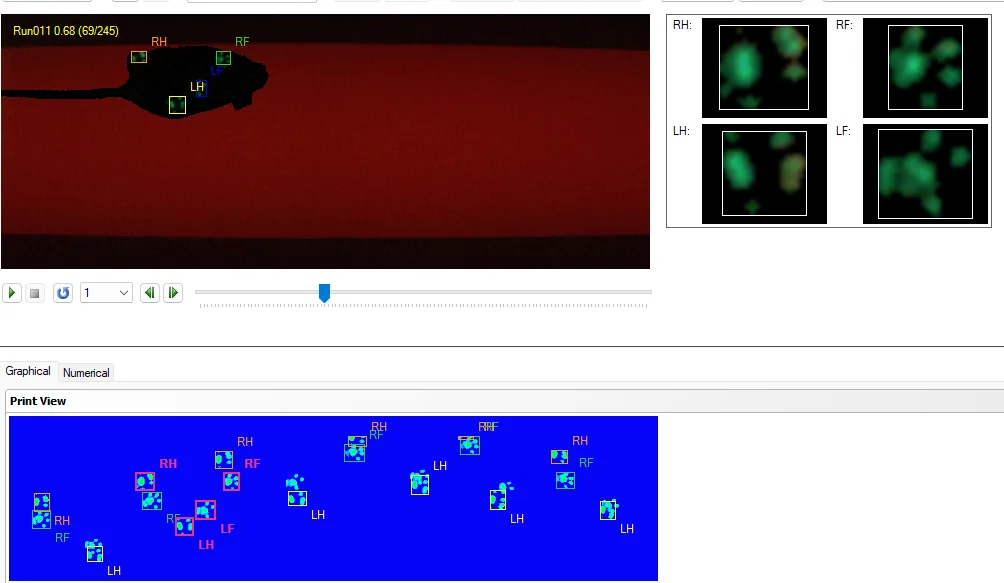
- Gait and spontaneous movement: Noldus CatWalk, BlackBox One and open-field assessments.
- Connected physiological readouts: study-specific EEG, EMG and tremor assessments where relevant.
- Delivery and tissue context: robotic stereotaxic CNS delivery, brain microdissection and appropriately selected molecular or tissue analyses.
These are complementary methods, rather than a single test battery for every disease. Model-specific suitability, configuration and method readiness are agreed in the scope. See detailed motor-assessment methods, electrophysiology and robotic CNS delivery.
Research examples and scientific context
- Episodic ataxia: motor attacks and cerebellar signaling.
- Huntington’s disease: AAV–CRISPR research.
- Rotarod: a dose-dependent motor-coordination readout.
Plan the next experiment.
Bring the disease model or hypothesis, test article, desired endpoints, timeline and budget. We help define a focused scope and the evidence needed for the next decision. Replacement, Reduction and Refinement guide animal-study planning, with suitable NAMs considered alongside the in vivo work.
Our approach to NAMs and the 3Rs · Compare scope and pricing factors